by Dr. Birgit Wogatzky | Nov 8, 2025 | PMS en, Symptoms of nutrient deficiency
When Your Body Takes Over – What’s Really Behind PMS
You wake up and just feel… different.
Everything seems to get on your nerves, your stomach feels bloated, you crave chocolate, and even the smallest thing makes you tear up.
Don’t worry – you’re not “too emotional”. Your body is simply sending you a message: you’re in your luteal phase and experiencing PMS.
What Is PMS, Exactly?
Premenstrual Syndrome (PMS) refers to a mix of physical, emotional and behavioural symptoms that appear a few days before your period – and usually ease once your period starts.
Up to three in four women experience PMS at some point in their lives. For some, it’s just a mild inconvenience. For others, it can make daily life feel completely overwhelming.
Common PMS symptoms include:
- Physical: headaches, cramps, breast tenderness, bloating, fluid retention, digestive changes
- Emotional: irritability, mood swings, sadness, anxiety, poor concentration
- Behavioural: cravings, sleep problems, fatigue, withdrawal
Why Does PMS Happen?
PMS is thought to result from hormonal fluctuations during the menstrual cycle and changes in brain chemistry – especially low levels of serotonin, the so-called “feel-good” hormone.
Lifestyle factors such as stress, diet and lack of sleep can make symptoms worse.
- Hormones on a Rollercoaster
The rise and fall of oestrogen and progesterone in the second half of the cycle (the luteal phase) can trigger stronger PMS symptoms in sensitive women.
- Serotonin and Brain Chemistry
Women with PMS often have lower serotonin levels, which affects mood, appetite, sleep and pain perception – leading to irritability, sadness, cravings and restlessness.
- Lifestyle & Other Triggers
- Diet: Too much sugar, salt and saturated fat can worsen bloating and mood swings.
- Substances: Alcohol, caffeine and nicotine can intensify symptoms.
- Lack of movement: Sedentary habits and poor sleep increase fatigue and tension.
- Stress: High cortisol levels disrupt hormonal balance and amplify PMS.
- Nutrient gaps: Deficiencies in magnesium or calcium can play a role.
- Genetics: PMS often runs in families, suggesting a hereditary component.
Natural Ways to Manage PMS (No Hormones Needed)
- Nourish your body
- Choose complex carbs like oats or wholegrains to stabilise blood sugar.
- Eat plenty of fruit and veg for fibre and antioxidants.
- Include oily fish (salmon, mackerel) for omega-3s that reduce inflammation and cramps.
- Snack on nuts and pulses for steady energy and fewer cravings.
- Move and stretch
Exercise lowers stress hormones and boosts your mood. Even a brisk walk, yoga or light workout can make a big difference.
- Lower your stress levels
Relaxation techniques like meditation, journalling or mindful breathing can calm your nervous system and ease PMS tension.
- Prioritise good sleep
A consistent sleep routine and screen-free evenings can balance your hormones and reduce irritability.
- Try herbal support
Vitex agnus-castus (chasteberry) is one of the most researched herbal remedies for PMS – shown to help with mood swings and breast tenderness.
Extra Support: Resilovit® PrePeriod
If lifestyle changes alone don’t do the trick, targeted nutritional support can help.
Resilovit® PrePeriod combines chasteberry with plant extracts, antioxidants and key micronutrients – designed to support hormonal balance and ease PMS naturally.
Because you deserve to feel like yourself again – calm, centred, and in control.
FAQ: Your PMS Questions Answered
How long does PMS last?
Typically, PMS starts three to ten days before your period and eases once bleeding begins.
Why do I crave chocolate so much?
Low serotonin and fluctuating blood sugar trigger cravings for carbs and sweets that temporarily boost mood.
Can PMS be prevented?
Not completely – but a healthy lifestyle with balanced nutrition, regular movement and stress management can make a huge difference.
What natural supplements help with PMS?
Chasteberry, magnesium, B vitamins and antioxidants such as curcumin are supported by studies for PMS symptom relief.
Final Thoughts
PMS isn’t “all in your head” – it’s a genuine interplay between hormones, brain chemistry and lifestyle.
The good news? You can do something about it. With nourishing foods, movement, rest and micronutrient support, you can restore your balance naturally.
👉 With Resilovit® PrePeriod, you get targeted support designed to help you feel like yourself again – every cycle.
by Dr. Birgit Wogatzky | Oct 7, 2025 | Pill
Contraception: Myths, Facts & Fun Facts – What You Really Need to Know!
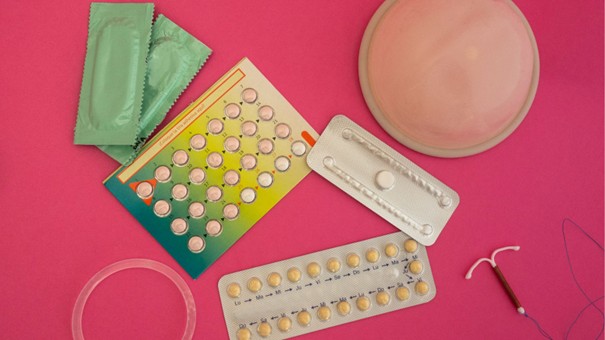
Contraception affects us all – but how well do you actually understand it? Did you know, for example, that 85 out of 100 women will become pregnant within a year without using contraception? Or that a condom, according to German industry standards, must withstand 18 litres of air before bursting? 😲
Whether you prefer hormonal contraception, barrier methods, or natural alternatives, there are countless fascinating facts, bizarre historical methods, and persistent myths about birth control. Let’s explore the truths, misconceptions, and some rather unusual contraceptive practices from the past!
Contraception Through the Ages – Some Truly Unusual Methods
For thousands of years, people have been trying to prevent unwanted pregnancies – sometimes using rather questionable methods:
📜 Ancient Times:
✔ Egypt (circa 4000 BC): Women inserted a mixture of honey, sour milk, and soda into the vagina.
✔ Ancient Greece: Some believed that specific sexual positions, magic amulets, or even sneezing after intercourse could prevent pregnancy.
✔ Animal-based barriers: As early as 3000 BC, the first condoms were made from animal intestines or fish bladders.
🎩 19th Century:
✔ Women used vaginal douches after sex to “wash out” sperm – not very effective!
✔ Condoms made from cotton or animal intestines were the most common barrier method.
And today? Thankfully, modern contraception is far more reliable!
Fun Facts: Contraception Like You’ve Never Heard It Before!
😲 Some fascinating and unexpected facts about birth control:
✅ Did you know…
💡 … women who take the pill blink 32% more often on average? The hormone changes can cause drier eyes!
💡 … in Germany, 342 condoms are used every minute?
💡 … Carl Djerassi, the inventor of the contraceptive pill, chose to have a vasectomy?
💡 … frogs were used as pregnancy tests in the 1940s? A woman’s urine was injected into a frog – if the frog produced eggs or sperm within hours, the woman was pregnant! 🐸
How effective are different contraceptive methods?
The Pearl Index is used to measure how reliable a contraceptive method is. The lower the number, the more effective the method. But what does this actually mean?
✔ A Pearl Index of 1 means that out of 100 women using the method for a year, one will become pregnant.
✔ Hormonal methods, such as the pill, hormonal IUD, and contraceptive injection, have a Pearl Index of below 1, making them highly reliable.
✔ Condoms have a Pearl Index of 2 to 12, meaning that up to 12 out of 100 women will become pregnant despite using them.
So, contraception is not always as foolproof as many people assume!
Common Contraception Myths – What’s Really True?
🚫 “Contraception is a woman’s responsibility.”
❌ Wrong! While women have more contraceptive options, birth control should be a shared responsibility in any relationship.
🚫 “You need to take a break from the pill.”
❌ False! Medical studies show that taking a break offers no health benefits – in fact, it increases the risk of an unintended pregnancy.
🚫 “The pill increases the risk of thrombosis.”
✔ That’s right – the pill does come with a range of side effects, and for certain risk factors like smoking or being overweight, one of them is an increased risk of thrombosis. If you’re unsure, it’s best to speak to your doctor.
🚫 “The pill affects fertility after stopping it.”
❌ Incorrect! Fertility usually returns to normal within a few months. However, long-term pill use can lead to a folic acid deficiency, which may increase the risk of miscarriage. Experts often recommend taking folic acid and other key nutrients while using hormonal contraception.
Good to know
Whether you choose hormonal, barrier, or natural methods, every woman has the right to make informed choices about her body. Modern contraception offers many options, but staying informed and supporting your overall health is just as important.
💊 For women using hormonal contraception, supplementing with key micronutrients can be beneficial, as some contraceptive methods increase the body’s need for certain vitamins and minerals.
👉 Resilovit®pill supports your body with essential nutrients and can help compensate for deficiencies caused by hormonal contraception.
by Dr. Birgit Wogatzky | Aug 5, 2025 | Pill
You’re in a calorie deficit, eating healthily and exercising – yet the scales just won’t budge? You feel drained of energy, and the cravings are relentless?
Let’s talk about why a calorie deficit sometimes just isn’t enough – and what micronutrients have to do with it.
In a nutshell: Why doesn’t calorie counting always work?
Sadly, being in a deficit doesn’t always guarantee weight loss. The issue often isn’t the food – it’s your metabolism. If your body is missing key micronutrients, your metabolism and fat-burning processes can slow down dramatically. Your system switches into “conservation mode” – making weight loss almost impossible.
This is especially true when external factors like hormonal contraception (e.g. the birth control pill) come into play. These can lead to hidden nutrient deficiencies that further stall your metabolism.
In cases like this, targeted support with B vitamins, magnesium, zinc and folate can help fire up your energy metabolism and support fat breakdown.
What are calories, really?
Calories measure the energy content of food – but they tell you nothing about its nutritional quality. For your body to burn fat, build muscle, and function at its best, it needs a constant supply of micronutrients. These tiny helpers are vital for your metabolism:
- Vitamins B6, B12 & folate: Help activate enzymes involved in energy production
- Magnesium: Supports fat and sugar metabolism, and muscle function
- Zinc: Essential for thyroid function and cell growth
If these building blocks are missing, your metabolism goes into emergency mode – slowing everything down, no matter how little you eat or how much you exercise.
How does the pill affect your nutrient levels?
Here’s what many don’t realise: hormonal contraception can interfere with nutrient absorption or increase your body’s demand for certain vitamins and minerals.
Multiple studies have shown that the Pill may lead to deficiencies in B vitamins (especially B6, B12, folate), magnesium, zinc, vitamin C and riboflavin (B2) – all nutrients your metabolism relies on.
In a large Korean study (Park & Kim, 2016) involving over 39,000 women, long-term pill users with low intake of B vitamins, calcium and zinc were significantly more likely to be overweight.
Similarly, a study in China (Ju et al., 2022) of over 12,000 women found that low intake of vitamin A, niacin and zinc was linked to increased risk of weight gain.
And in Iran, researchers (Sajjadi et al., 2021) found that low levels of zinc, vitamin C and riboflavin were directly associated with a lower resting metabolic rate – meaning: your body burns fewer calories, even at rest.
Why you should track nutrients – not just calories
If you’re only tracking calories, you might be missing the bigger picture: micronutrient deficiencies.
This is especially important for women using hormonal contraception who want to lose weight. Rather than focusing solely on cutting calories, take a closer look at your nutrient intake. Ask yourself:
“Am I still getting all the essential vitamins and minerals my metabolism needs – especially when I’m eating less?”
If the answer is no, it’s time to prioritise nutrient-rich foods that deliver more micronutrients per calorie.
And to stay on the safe side, you can also supplement the key nutrients affected by the pill – in a targeted, simple way.
Product Tip: Resilovit® pill
Specially formulated for women using hormonal contraception – including the pill, hormonal coils, implants or rings.
It provides scientifically selected micronutrients to support metabolism, energy, and hormonal balance:
- B-complex vitamins incl. B6 & B12
- Folate
- Magnesium, zinc, vitamin C, vitamin E
- Biotin – for skin, hair and nails
This unique blend supports your energy metabolism, hormone regulation, cell renewal, and mental health.
Conclusion: How can you boost your metabolism holistically?
If you’re doing everything right – cutting calories, staying active, eating well – but the results aren’t showing, the issue might not be your willpower or diet.
Your body may simply need more micronutrient support to get your metabolism going again.
Disclaimer:
This content was researched and written with human expertise – and a small sprinkle of AI magic.

by Dr. Birgit Wogatzky | Jun 26, 2025 | Pill
More Energy, Less Fatigue:
How Smart Nutrition Can Beat That Sluggish Feeling
Quick Summary
Feeling drained despite sleeping well and eating right? If you’re using hormonal contraception, especially the pill, your energy levels may be affected by subtle but significant vitamin and mineral deficiencies. Supporting your body with the right micronutrients can make all the difference.
Why Am I Tired Despite Healthy Habits?
You’re eating well, staying active, sleeping enough – and still feeling flat. If this sounds familiar, you’re not alone. Many women experience unexplained fatigue even when they live a “healthy” lifestyle. And one often-overlooked factor? Hormonal birth control.
The Hidden Energy Thief: Nutrient Deficiency on the Pill
The pill doesn’t just regulate your hormones – it can also impact nutrient absorption and increase your need for specific vitamins and minerals. This can quietly deplete your system and leave you feeling low on energy.
These are the nutrients most commonly affected:
- B vitamins (B6, B12, folate): critical for energy metabolism and brain function
- Magnesium: helps reduce tiredness, supports nerves and muscle recovery
- Zinc & Selenium: key for immune support, mood balance, and antioxidant defence
- Vitamins C & E: combat oxidative stress and protect cellular energy
Without these, you might notice:
🚫 Lack of motivation
🚫 Brain fog and difficulty concentrating
🚫 Low mood
🚫 Poor performance during workouts
Calories ≠ Energy – It’s About Cellular Power
Calories fuel your body – but real energy starts at the cellular level. Your mitochondria need the right co-factors, like magnesium and B vitamins, to turn food into usable energy.
Think of your body like an e-bike. Without power (aka nutrients), you can’t move – no matter how good your intentions or habits.
How to Boost Energy Naturally on Birth Control
- Review your lifestyle:
Are you hydrated? Stressed? On medication? These all raise your nutrient requirements.
- Focus on nutrient-dense foods:
Leafy greens, lentils, oats, seeds, berries and nuts are rich in natural energy nutrients.
- Consider a supplement:
A high-quality micronutrient supplement for women on hormonal contraception can help restore what’s missing and support energy levels and mood.
- Exercise with awareness:
Some fatigue isn’t solved by pushing harder. Your body may need rest, replenishment – and targeted nutrition.
Final Thought
If you’re feeling run-down despite your best efforts, it might not be your routine – it might be your nutrient status. Especially if you’re on the pill, understanding your vitamin and mineral needs is essential.
Because energy isn’t just about willpower.
It’s about cellular health – and that starts with what you feed your body. 🔋
FAQ
Why am I tired even though I get enough sleep?
You may be dealing with a hidden micronutrient deficiency – especially common among women using hormonal contraception.
Which micronutrients support energy?
B vitamins, magnesium, zinc, folate, and vitamins C and E are essential for cellular energy and hormonal balance.
How does magnesium help with low energy?
Magnesium activates over 300 enzymes and helps your muscles and nerves stay functional and resilient.
What can I do about fatigue caused by the pill?
Get your nutrient levels checked, consider targeted supplementation, and focus on a nutrient-rich diet.
Which supplement helps with fatigue related to hormonal contraception?
A specially formulated micronutrient supplement for women on the pill – such as Resilovit® pill.

by Dr. Birgit Wogatzky | May 20, 2025 | Pill
You’re chilling on the sofa, matcha in hand, everything seems calm — yet your heart races, you feel on edge, tired, or like you’re constantly wired for no reason?
You’re not imagining it — your body’s just picking up the wrong signals.
And one of those signals could be coming from something totally ordinary: The contraceptive pill.
The Link Between Hormones, the Pill & Your Stress Response
Here’s something not everyone knows:
The pill doesn’t just change your cycle — it can also affect how your body handles stress. Specifically, it can alter how your adrenal glands respond and how much cortisol (your main stress hormone) is released.
Studies have shown that women on hormonal contraception often have an altered cortisol response. That means your body reacts to normal life like it’s facing a threat — even when everything’s fine.
The result?
- Restlessness
- Trouble concentrating
- Mood swings
- Sleep issues
- Cravings
- That strange feeling of not being “at home” in your own body
Chronic Stress = Nutrient Drain
And here’s where it gets even trickier:
When your body stays in stress mode for too long, it uses up far more of the nutrients you’re already losing through the pill.
Here are the key ones:
- Vitamin B6, B12 & folate – vital for your nervous system, mood and hormone balance
- Magnesium – your body’s natural chill-out mineral
- Zinc & vitamin C – protect cells from oxidative stress
- Selenium & vitamin E – support detox and cellular defence
If you’re running low on these, that constant “overwhelmed” feeling can get even worse — even when life looks perfectly fine on the outside.
What You Can Do: Knowledge + Balance = Power
You can help your body reset and find balance again — through nutrition, rest, movement… and by replenishing the nutrients the pill quietly drains.
That’s exactly why Resilovit® pill was developed:
To restore the essential micronutrients your body needs while you’re on hormonal contraception — and to support not just your natural glow, but also your emotional resilience and inner balance.
Learn more about Resilovit® pill:
shop.resilovit.com
Bottom line: You’re not “too sensitive” — your body just needs a reset.
If your inner world feels like it’s on high alert, it’s not a weakness. It’s a signal.
And with the right support, your body can feel grounded, safe, and truly well again.
