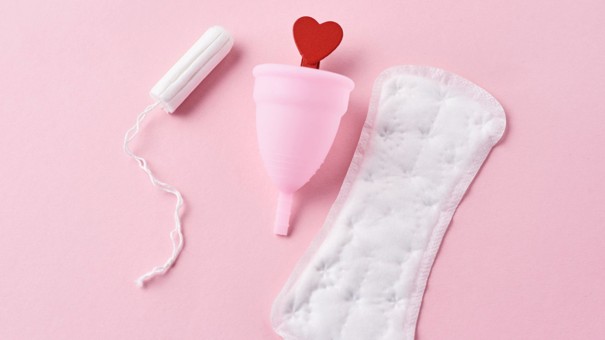
by Dr. Birgit Wogatzky | Nov 4, 2026 | PMS, Symptoms of nutrient deficiency
How much of our lifetime do we actually spend having periods?
How many periods does a woman have in her lifetime – and how many days does that add up to?
Let’s do some period maths.
How many periods does a woman have in her lifetime?
There is no single number that applies to every woman.
The age at which periods begin, the age at which menopause occurs and the regularity and length of the menstrual cycles in between all vary from person to person.
Pregnancy, breastfeeding, hormonal contraception and individual cycle length can also affect how often menstruation actually occurs.
If we simplify things and assume around 12 periods a year over roughly 40 reproductive years, we get:
12 × 40 = 480 periods
So, 480 periods is not a medical average. It is a deliberately simplified calculation designed to illustrate something we can easily overlook: menstruation accompanies women through a substantial part of their lives.
How many days does this add up to?
Now let’s assume five days of bleeding per period:
480 × 5 = 2,400 days
That works out at around 6.6 years spent menstruating.
Quite a number.
But it only tells part of the story. Because our menstrual cycle doesn’t just affect us on the days we bleed.
The menstrual cycle doesn’t begin and end with your period
When we talk about our “period”, we tend to think first about the days of menstrual bleeding.
But the menstrual cycle involves much more than that.
In the days before menstruation begins, some women experience a range of physical and emotional changes. Premenstrual symptoms can include:
For some women, these changes are barely noticeable. For others, they can have a considerable impact on everyday life. This is referred to as premenstrual syndrome, or PMS for short.
Which raises an interesting question:
If our period maths included not only the days of bleeding but also the days on which we experience premenstrual symptoms, how much of our lives would actually be affected by our cycle?
Can we simply add ‘PMS days’ to the calculation?
It might be tempting to add, say, five premenstrual days to every cycle and simply double our 6.6-year calculation.
But that would be misleading.
Not every woman has premenstrual syndrome (PMS). Not every cycle is the same. And even among women who experience premenstrual symptoms, their nature, duration and intensity can vary considerably.
PMS also means more than simply feeling a little different before your period. The term describes a recurring pattern of physical and emotional symptoms associated with the menstrual cycle that can affect everyday life.
So there is no scientifically meaningful number for “years spent with PMS” that we can simply add to our calculation.
What we can say is that the effects of the menstrual cycle can extend well beyond the days of menstrual bleeding.
6.6 years of periods – yet we still don’t talk about them enough
Our period maths is, of course, only a thought experiment.
2,400 bleeding days, or 6.6 years of menstruation, will not apply to every woman. Reproductive lifespan, cycle length and the actual number of periods vary considerably between individuals.
But the calculation makes something visible that otherwise remains rather abstract.
The menstrual cycle accompanies many women for decades.
And it is not just about bleeding.
Energy levels, wellbeing, appetite and physical or emotional experiences may all change throughout the cycle.
Perhaps, then, we should spend less time expecting women to make their cycle as invisible as possible.
And a little more time understanding what is actually happening in the body throughout all those years.
Because something that accompanies us for decades is hardly a footnote.
It deserves our attention.
Frequently asked questions about periods, PMS and your menstrual cycle
How many periods does a woman have in her lifetime?
There is no universal number. The age of the first period and menopause, cycle length, pregnancy, breastfeeding, hormonal contraception and other individual factors can all influence how many periods a woman experiences. Figures of several hundred periods over a lifetime are therefore best regarded as illustrations rather than fixed biological averages.
How many days of her life does a woman spend on her period?
Using our simplified calculation of 480 periods with five days of bleeding each gives 2,400 days – approximately 6.6 years. The actual number can, however, vary considerably from woman to woman.
How long does a period normally last?
The duration of menstrual bleeding varies between women and can also change at different stages of life. Individual variation is therefore normal, although significant or persistent changes should be discussed with a healthcare professional.
When do PMS symptoms occur?
Premenstrual symptoms typically occur during the time before menstruation and usually improve around or shortly after the period begins. The type, duration and intensity of symptoms
Reference
Nabhan AF, Mburu G, Elshafeey F, Magdi R, Kamel M, Elshebiny M, Abuelnaga YG, Ghonim M, Abdelhamid MH, Ghonim M, Eid P, Morsy A, Nasser M, Abdelwahab N, Elhayatmy F, Hussein AA, Elgabaly N, Sawires E, Tarkhan Y, Doas Y, Farrag N, Amir A, Gobran MF, Maged M, Abdulhady M, Sherif Y, Dyab M, Kiarie J. Women’s reproductive span: a systematic scoping review. Hum Reprod Open. 2022 Feb 11;2022(2):hoac005. doi: 10.1093/hropen/hoac005. PMID: 35280216; PMCID: PMC8907405.
by Dr. Birgit Wogatzky | Oct 13, 2026 | PMS, Symptoms of nutrient deficiency
Why You Gain Weight Before Your Period – Even When You’re Doing Everything Right (And Why It’s Not Your Fault)
You’re eating well. Moving more. Doing everything right.
And yet—right before your period—your body suddenly feels heavier, bloated, and out of control.
This isn’t a lack of discipline.
It’s biology.
What’s Really Happening in Your Body Before Your Period
Lisa noticed the pattern long before she understood it.
Every month, just days before her period, everything shifted. Her body felt heavier overnight. Her stomach bloated. Her energy dipped. And the cravings—especially for sugar—became almost impossible to ignore.
She blamed herself for months.
Until she realised:
This wasn’t about willpower. It was her hormones.
Your Body Isn’t Failing – It’s Functioning Differently
The days before your period are a completely distinct hormonal phase. While many assume it’s simply about “eating more”, there’s far more happening beneath the surface.
After ovulation, the balance between oestrogen and progesterone shifts. At the same time, your brain becomes more sensitive to reward signals, partly due to changes in neurotransmitters like serotonin.
This has a direct effect:
Your body starts actively craving quick sources of energy—typically sugar, fat, and highly processed foods.
And this is where the misunderstanding begins.
Your Cravings Are Not Random
What feels like a loss of control is actually a biological signal.
Research shows that women with premenstrual syndrome (PMS), in particular, tend to experience increased appetite, stronger food cravings, and more emotional eating during the luteal phase .
These cravings are not random. They are driven by hormonal and neurobiological changes, often targeting high-calorie, ultra-processed foods.
This phenomenon is known as hedonic hunger—eating not because your body needs energy, but because your brain is actively driving the behaviour.
Short-Term vs. Long-Term Weight Changes
This is a key distinction most people miss.
In the short term—cycle to cycle—weight gain before your period is rarely body fat. It’s primarily water retention caused by hormonal changes.
However, over time, the picture can shift.
If repeated cycles of cravings, emotional eating, and increased consumption of ultra-processed foods persist, they can contribute to changes in body composition—particularly around the abdominal area.
At the same time, studies suggest that these patterns may also be linked to increased PMS severity.
In other words:
Your body responds hormonally in the short term—but your habits during this phase influence long-term outcomes.
Water Retention – The Overlooked Factor
Still, the important point remains:
The rapid weight gain before your period is usually not fat.
Progesterone affects fluid balance, sodium regulation, and even blood pressure. As a result, your body holds on to more water.
That familiar feeling of:
- bloating
- heaviness
- tightness in your body
comes directly from this process.
And that’s exactly why it disappears again.
Why Calorie Counting Often Backfires
The traditional mindset is simple:
If you gain weight, you must have eaten too much.
But your body doesn’t operate in a straight line—it works in cycles.
Before your period, several systems shift:
- hunger and satiety signals
- energy expenditure
- fluid balance
- neurological regulation of appetite
So you can do everything “right” and still see the number on the scale go up.
And this is where the real problem begins:
Self-doubt.
What Actually Helps
The turning point comes when you stop working against your body.
In this phase, you don’t need stricter rules—you need better support. Your body becomes more sensitive to blood sugar fluctuations, which is why stabilising meals is far more effective than restricting them.
In practice, this means choosing whole grains over refined carbohydrates, cooking fresh meals instead of relying on processed foods, and prioritising protein and fibre to support satiety.
Your nervous system also plays a bigger role than most realise. Stress, sleep, and emotional load tend to feel more intense during this time. This is where targeted micronutrients can support normal nervous system function and energy metabolism.
Studies also suggest that a diet rich in vitamins and minerals is associated with reduced PMS symptoms .
So it’s not about eating less.
It’s about supporting your body more intelligently.
The Shift
At some point, Lisa stopped fighting the same battle every month.
She realised her body wasn’t working against her—it was simply following a different rhythm.
She stopped weighing herself before her period.
She stopped judging her hunger.
And instead, she started supporting her body in the way it actually needed.
Targeted Support During the Premenstrual Phase
This is where specialised formulations like Resilovit® PrePeriod come in.
They provide targeted micronutrients designed to support the body during this specific phase—helping to maintain normal nervous system function, energy metabolism, and hormonal balance.
Not as a quick fix.
But as structured support when your body needs it most.
Final Thought
Gaining weight before your period is not a sign of losing control.
It’s the result of:
Hormones.
Biological rhythms.
And a body that’s adapting.
Once you understand that, you stop fighting yourself.
And that’s when things truly start to change—not just your weight, but how you feel in your own body.
References
Bodur M, Ersoy-Söke N, Karademir E, Özkan B, Uçar A. Premenstrual Syndrome, Ultra-Processed Food Intake, and Food Cravings: A New Perspective. Food Sci Nutr. 2025 Jul;13(7):e70520. doi:10.1002/fsn3.70520 PubMed PMID: 40590028; PubMed Central PMCID: PMC12206854.
Candan E, Metin ZE, Tengilimoglu-Metin MM. The role of premenstrual syndrome in hedonic hunger and food craving during the menstrual cycle. J Nutr Sci. 2025;14:e66. doi:10.1017/jns.2025.10038 PubMed PMID: 40988709; PubMed Central PMCID: PMC12451237.
Dang N, Khalil D, Sun J, Naveed A, Soumare F, Hamidovic A. Waist Circumference and Its Association With Premenstrual Food Craving: The PHASE Longitudinal Study. Front Psychiatry. 2022;13:784316. doi:10.3389/fpsyt.2022.784316 PubMed PMID: 35573360; PubMed Central PMCID: PMC9091555.
Hamidovic A, Smadi S, Davis J. Late Luteal Subphase Food Craving Is Enhanced in Women with Obesity and Premenstrual Dysphoric Disorder (PMDD). Nutrients. 2023 Dec 2;15(23):5000. doi:10.3390/nu15235000 PubMed PMID: 38068858; PubMed Central PMCID: PMC10707764.
Kocyigit E, Gumusay M, Demirel Ozbek Y. Hedonic hunger and food cravings: understanding their role in premenstrual syndrome among nursing students. Front Public Health. 2025;13:1659974. doi:10.3389/fpubh.2025.1659974 PubMed PMID: 40860555; PubMed Central PMCID: PMC12370526.
by Dr. Birgit Wogatzky | Mar 25, 2026 | PMS
Serotonin and Premenstrual Syndrome
If the days before your period bring emotional changes that feel unfamiliar or difficult to control, you are not alone. Many women with premenstrual syndrome (PMS) describe a sense of losing emotional balance—feeling more irritable, low, anxious, or overwhelmed.
These symptoms are not a lack of resilience. Research shows that PMS reflects real, measurable changes in brain chemistry. One of the key players is serotonin, a neurotransmitter involved in mood regulation, emotional stability, and stress response. In this article, we want to share what is known about serotonin, how it behaves across the menstrual cycle, and what this means for women experiencing PMS.
What Serotonin Is and Why It Matters in PMS
Serotonin is a chemical messenger that helps regulate mood, sleep, appetite, pain perception, and emotional resilience. Rather than functioning as a simple “feel-good” substance, serotonin operates within a finely balanced system that allows the brain to adapt to stress and emotional demands.
In PMS, serotonin metabolism and signaling can be altered. Importantly, this does not usually mean that the body produces too little serotonin overall. Instead, the way serotonin is handled and used by the brain can temporarily change.
How PMS and Serotonin Are Connected
Women with PMS generally have normal levels of estrogen and progesterone. The distinguishing factor lies in how the brain reacts to the (also) normal rise and fall of these hormones throughout the menstrual cycle. Scientific evidence indicates that in PMS, normal hormonal fluctuations can temporarily alter serotonin signaling pathways, including how serotonin is reabsorbed in the brain.
Neurobiological and brain-imaging studies consistently show that serotonin transporter activity increases during the luteal phase in women with PMS and premenstrual dysphoric disorder.
What Does This Mean in Plain Terms?
The serotonin transporter acts like the brain’s cleanup and recycling system for serotonin.
Serotonin is released by one nerve cell to send a message to another—especially messages related to mood, emotional balance, and stress response. Once the message has been delivered, the serotonin transporter removes serotonin from the space between the cells so the signal does not last too long.
When the serotonin transporter becomes more active, serotonin is cleared away more quickly. This shortens and weakens the signal, which can make emotional regulation more difficult, even when serotonin production itself is normal.
The transporter does not create or destroy emotions. Instead, it determines how long serotonin’s message lasts. In PMS, increased transporter activity can reduce serotonin availability at key moments, contributing to symptoms such as irritability, low mood, or feeling emotionally overwhelmed.
These changes are cycle-dependent and reversible (luckily). Symptoms typically improve with the onset of menstruation and you will likely feel much better, reflecting normalization of serotonin signaling. This predictable pattern highlights that PMS is biologically driven rather than psychological in origin (like some well-meaning but uninformed friends may think).
Supporting Serotonin Availability
This can be achieved medically, via SSRIs (Selective Serotonin Reuptake Inhibitors) (e.g. Fluoxetine (Prozac), Sertraline (Zoloft), Paroxetine (Paxil), Citalopram (Celexa)). They are effective in treating moderate to severe emotional symptoms and are considered first-line therapy for PMDD (Premenstrual Dysphoric Disorder, a much stronger form of PMS). However, this comes at a prize: Common side effects of SSRIs include nausea, insomnia or sleepiness, headache, dizziness, dry mouth, sweating, and sexual problems (decreased libido, difficulty with orgasm/erection).
Luckily, for milder cases, there is a natural and gentle way: Although PMS is not simply a problem of “low serotonin,” supporting the body’s ability to produce and maintain serotonin can still be meaningful. When serotonin transporter activity is higher, having sufficient serotonin available may help shift the balance toward more effective signaling, even if serotonin is cleared more quickly during the premenstrual phase.
Serotonin is synthesized from the amino acid tryptophan, which must be obtained through the diet. Adequate intake of tryptophan, together with key micronutrients for serotonin metabolism such as vitamin B6, iron, magnesium, and zinc, supports the body’s natural capacity to produce serotonin. When these building blocks are consistently available, the brain may be better able to maintain functional serotonin signaling despite the temporary changes associated with the menstrual cycle. This does not override hormonal sensitivity, but it may help buffer its effects and support emotional stability within the limits of normal physiology.
Lifestyle and Nutrition as Foundational Support
This is where lifestyle and nutrition play an important, supportive role. While they do not replace medical care, they provide the biological foundation on which serotonin production and signaling depend. Balanced meals with adequate protein rich in tryptophan (such as poultry, tofu, fish, dairy, eggs, nuts and seeds, etc) sufficient B-vitamins, iron, and magnesium, and stable blood sugar levels (think whole grains) all contribute to good conditions.
Beyond nutrition, regular physical activity supports serotonin signaling and stress regulation, while consistent sleep patterns protect emotional resilience. Chronic stress and sleep disruption can heighten sensitivity to serotonin fluctuations, making premenstrual symptoms feel more intense. Gentle, realistic adjustments—rather than rigid expectations—are often the most sustainable way to support the brain through cyclical hormonal changes.
What Science Is Still Exploring
Although the role of serotonin in PMS is well established, ongoing research continues to explore why some women are more sensitive than others, how genetic and environmental factors interact, and how long-term lifestyle patterns may influence symptom severity. This evolving understanding reflects growing recognition of PMS as a condition deserving serious scientific attention.
Frequently Asked Questions (FAQ) – Serotonin and PMS
Is PMS caused by low serotonin?
PMS is not caused by persistently low serotonin levels. Research suggests that serotonin signaling becomes less efficient during the premenstrual phase due to increased transporter activity, even when overall serotonin production remains normal.
Why do PMS symptoms improve once menstruation begins?
The hormonal shift that occurs at the start of menstruation appears to normalize serotonin signaling in the brain. As a result, emotional and physical symptoms often ease within a few days.
Can lifestyle changes make a real difference?
Lifestyle factors such as nutrition, sleep, physical activity, and stress management support brain chemistry and emotional resilience. While they are not cures, they can meaningfully reduce symptom intensity over time.
Is PMS the same as PMDD?
No. PMDD is a more severe condition with significant emotional distress and functional impairment. Both involve serotonin sensitivity, but PMDD typically requires medical evaluation and targeted treatment.
Should I seek medical help for PMS?
If symptoms interfere with daily life, relationships, or mental well-being, speaking with a healthcare professional is appropriate. Effective support is available, and no one should feel they must simply endure severe symptoms.
Medical Disclaimer
This article is intended for educational purposes only and does not replace professional medical advice, diagnosis, or treatment. If you have concerns about premenstrual symptoms or emotional health, please consult a qualified healthcare professional for personalized guidance.
References
- Biggs WS, Romeu JM, Gaudard T. Premenstrual Syndrome and Premenstrual Dysphoric Disorder: Common Questions and Answers. Am Fam Physician. 2025 Apr;111(4):345-350. PMID: 40238977.
- Krupa AJ, Zybała-Pawłowska M, Kania M, Turek J, Szewczyk B, Grabrucker AM, Siwek M. Zinc, copper, and magnesium in premenstrual disorders: a narrative review. Pharmacol Rep. 2025 Dec;77(6):1612-1626. doi: 10.1007/s43440-025-00791-w. Epub 2025 Oct 15. PMID: 41091414; PMCID: PMC12647176.
- Meth EMS, Nôga DA, Dubol M, Xue P, Sundström-Poromaa I, Benedict C. The impact of pharmacotherapy for premenstrual dysphoric disorder on sleep. Sleep Med Rev. 2025 Apr;80:102069. doi: 10.1016/j.smrv.2025.102069. Epub 2025 Feb 7. PMID: 39952094.
- Sacher J, Zsido RG, Barth C, Zientek F, Rullmann M, Luthardt J, Patt M, Becker GA, Rusjan P, Witte AV, Regenthal R, Koushik A, Kratzsch J, Decker B, Jogschies P, Villringer A, Hesse S, Sabri O. Increase in Serotonin Transporter Binding in Patients With Premenstrual Dysphoric Disorder Across the Menstrual Cycle: A Case-Control Longitudinal Neuroreceptor Ligand Positron Emission Tomography Imaging Study. Biol Psychiatry. 2023 Jun 15;93(12):1081-1088. doi: 10.1016/j.biopsych.2022.12.023. Epub 2023 Jan 18. PMID: 36997451.
- https://www.webmd.com/diet/foods-high-in-tryptophan
by Dr. Birgit Wogatzky | Feb 26, 2026 | PMS
Why PMS Often Peaks During the “Rush Hour of Life” — and What Can Help
If your premenstrual symptoms seem to hit hardest just as life feels most demanding, you’re not imagining it. Many women notice that PMS (premenstrual syndrome) becomes more intense in their late 30s and early 40s — a phase often described as the “rush hour of life.” Careers are at full speed, family responsibilities peak, and emotional and mental load is high. Feeling exhausted, irritable, overwhelmed, or physically uncomfortable on top of everything else can be deeply frustrating.
What the Science Shows About Age and PMS
A large global analysis based on the Global Burden of Disease (GBD) 2021 study examined PMS prevalence across age groups over three decades. The findings revealed a clear shift:
- In 1990, PMS prevalence was highest among women aged 20–24
- By 2021, the highest burden had moved to women aged 35–39, followed closely by 40–44
This shift likely reflects broader societal changes, including longer average durations of education and delayed entry into full professional and family responsibilities, meaning many women reach their high-stress life stage later than in previous generations.
Why the “Rush Hour of Life” Matters for PMS
PMS is closely linked to the normal hormonal changes of the menstrual cycle, particularly during the luteal phase (the second half of the cycle). However, hormones do not act in isolation.
According to current scientific understanding, PMS symptoms are influenced by the interaction between:
- Ovarian hormones (oestrogen and progesterone)
- Stress-response systems in the brain
- Neurotransmitters such as serotonin
- Overall physical and emotional resilience
During midlife, many women experience chronic stress, sleep disruption, and sustained mental load. Research suggests that stress can heighten sensitivity to normal hormonal fluctuations, making PMS symptoms feel stronger or harder to manage .
This does not mean PMS is “all in your head.” Rather, it reflects how closely the brain, hormones, and daily life pressures are connected.
What You Can Do: Support, Not Perfection
There is no single cure for PMS, and no one approach works for everyone. However, evidence and clinical consensus consistently show that lifestyle and nutrition form the foundation of long-term PMS support, especially during high-demand life phases.
-
Support Your Stress System
Stress doesn’t cause PMS, but it can amplify symptoms. Gentle, realistic stress-support strategies matter:
- Prioritising regular sleep routines
- Creating small daily pauses, even brief ones
- Setting boundaries where possible
- Recognising PMS as a signal, not a failure
-
Nourish the Nervous System
Certain nutrients play recognised roles in normal nervous system and psychological function. Adequate intake of key micronutrients — such as B-vitamins, magnesium, zinc, iron, vitamin D, and tryptophan — supports neurotransmitter pathways involved in mood, energy, and stress regulation. Research increasingly links nutritional adequacy to resilience during cyclical hormonal changes .
Nutrition should be viewed as ongoing support, not a quick fix.
-
Work With Your Cycle
Many women find it helpful to adjust expectations during the second half of the cycle:
- Scheduling demanding tasks earlier in the month when possible
- Allowing more recovery time premenstrually
- Practising self-compassion rather than self-criticism
Listening to cyclical patterns can reduce both physical strain and emotional distress.
A Reassuring Perspective
The increase in PMS prevalence among women aged 35–44 does not mean symptoms will inevitably worsen forever. In fact, global projections suggest that PMS burden may decline later in life. More importantly, awareness empowers choice. Understanding why this phase is challenging allows women to seek support earlier and more confidently.
PMS is common, real, and influenced by many factors — not a personal weakness or something to “push through.”
Frequently Asked Questions (FAQ)
Why does PMS feel worse in my late 30s or early 40s?
Research shows PMS prevalence peaks between ages 35 and 44. This coincides with increased stress, responsibility, and cumulative life demands, which can heighten sensitivity to normal hormonal changes.
Is PMS caused by stress?
Stress does not cause PMS, but it can worsen symptoms. Stress affects how the brain responds to hormonal fluctuations, making emotional and physical symptoms feel more intense.
Can nutrition really make a difference?
Nutrition supports normal nervous system and psychological function. Adequate intake of key micronutrients may help improve resilience during the menstrual cycle, but it is not a cure and works best as long-term support.
Is it normal for PMS symptoms to change with age?
Yes. PMS symptoms and severity can change across life stages. Global data show a shift toward mid-reproductive age rather than adolescence or early adulthood.
Should I see a doctor for PMS?
If PMS significantly affects your quality of life, work, or relationships, speaking with a healthcare professional is recommended. Support options range from lifestyle strategies to medical care.
Medical Disclaimer
This article is for educational purposes only and is not intended to replace professional medical advice, diagnosis, or treatment. PMS experiences vary widely between individuals. If you have concerns about your symptoms or their impact on your wellbeing, please consult a qualified healthcare professional.
A Final Thought
If PMS feels hardest right now, it may be because life is asking a lot of you. Supporting your body through nutrition, stress awareness, and realistic self-care can help you move through this phase with greater steadiness. Small, consistent steps can make a meaningful difference over time.
References
- Biggs WS, Romeu JM, Gaudard T. Premenstrual Syndrome and Premenstrual Dysphoric Disorder: Common Questions and Answers. Am Fam Physician. 2025 Apr;111(4):345-350. PMID: 40238977.
- Cheng M, Jiang Z, Yang J, Sun X, Song N, Du C, Luo Z, Zhang Z. The role of the neuroinflammation and stressors in premenstrual syndrome/premenstrual dysphoric disorder: a review. Front Endocrinol (Lausanne). 2025 Mar 28;16:1561848. doi: 10.3389/fendo.2025.1561848. PMID: 40225329; PMCID: PMC11985436.
- Qiang R, Guo L, Xu Z, Gu Y, Liu Y, Wang Y, Liu Z, Liang J. Global, regional, and national burden of premenstrual syndrome from 1990 to 2021 and projections to 2050: an analysis based on the 2021 Global Burden of Disease study. Front Psychiatry. 2025 Dec 1;16:1644774. doi: 10.3389/fpsyt.2025.1644774. PMID: 41403893; PMCID: PMC12703365.
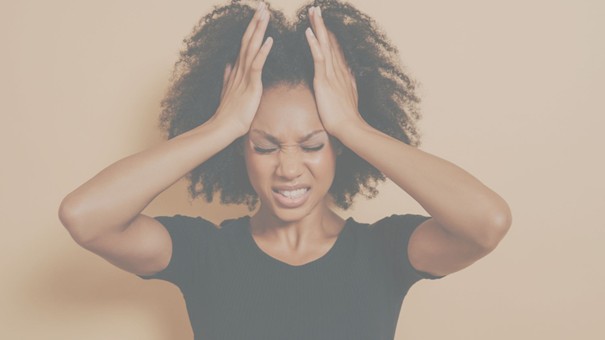
by Dr. Birgit Wogatzky | Jan 23, 2026 | PMS, Symptoms of nutrient deficiency
PMS, Stress & Inflammation: Why Your Body Isn’t “Overreacting” — and How to Truly Support It
If you’ve ever noticed that the premenstrual syndrome (PMS) hits harder during stressful weeks, you’re not imagining it.
Cramps flare before exams. Irritability spikes during emotional days. Fatigue crashes over you when everything else in life feels loud.
When your world becomes chaotic, your cycle often becomes louder too — almost as if your body is speaking for you.
And it is.
Modern research now confirms what many women have felt for years:
👉 PMS isn’t only hormonal — stress can ignite inflammation inside the brain that intensifies PMS symptoms.
This means your body isn’t “too sensitive.”
It’s reacting intelligently to protect you.
How Stress Changes the Brain During PMS
A major scientific review published in 2025 revealed something groundbreaking:
Stress doesn’t just worsen PMS — it can create neuroinflammation, a type of inflammation inside the brain that affects mood, pain perception, hormones, and energy.
This inflammation influences brain areas responsible for pain sensitivity, emotional regulation, hormone signalling, stress responses, and neurotransmitters like serotonin and GABA.
So when PMS feels unbearable, it isn’t “in your head.”
It’s happening inside your brain’s biology.
This is a crucial shift in understanding PMS — and it empowers us to support the body in smarter, more compassionate ways.
Hormones and Stress Feed Each Other
Your brain and hormones communicate continuously.
During the luteal phase (the days before your period), levels of estrogen and progesterone naturally fall. Normally, these hormones help:
- reduce inflammation
- stabilise mood
- protect the brain
- support stress resilience
When they drop, the brain becomes more sensitive to stress.
Stress then increases inflammation.
Inflammation intensifies PMS.
And the cycle continues.
This loop is not a sign of weakness —
it’s a normal biological response to hormonal and emotional pressure.
How Neuroinflammation Makes PMS Worse
Research shows that inflammation disrupts several key pathways:
- Serotonin balance: inflammation can reduce serotonin activity, weakening mood stability
- GABA activity: reduced GABA increases irritability, anxiety and tension
- BDNF signalling: lower BDNF reduces emotional resilience and stress tolerance
- Pain pathways: inflammation heightens pain processing, making cramps and aches more intense
Stress also increases the permeability of the blood–brain barrier, allowing more inflammatory molecules to enter. This creates a perfect storm during an already vulnerable phase of the cycle.
This is why PMS feels worse when life feels harder.
Your body is not malfunctioning — it’s signalling that it needs support.
How to Calm PMS Naturally: What Actually Helps
Stress and inflammation amplify PMS symptoms, but the encouraging truth is that your body is incredibly responsive to supportive lifestyle habits.
Evidence shows that PMS can improve when you support:
✓ your nervous system
Short breathing exercises, mindfulness moments, or grounding techniques help reduce stress-driven inflammation.
✓ your movement
Gentle activity — yoga, stretching, or walking — improves circulation and eases tension.
✓ your sleep rhythm
Regular sleep stabilises hormones and reduces sensitivity to stress.
✓ your nutrition
Colourful, antioxidant-rich foods help counter oxidative stress and support cellular health.
✓ your anti-inflammatory pathways
Certain plant compounds, particularly turmeric, have been studied for easing PMS-related inflammation.
These strategies don’t replace medical care when needed — but they empower your body’s natural ability to rebalance.
Organic Turmeric: A Natural Anti-Inflammatory Ally for PMS
Turmeric contains curcumin, one of the most researched natural anti-inflammatory compounds.
Curcumin has been shown to reduce inflammatory cytokines, to support mood balance, and to regulate menstrual pain.
This is why Resilovit PrePeriod includes organic turmeric extract.
Paired with targeted micronutrients, it supports:
- antioxidant defences
- natural inflammatory regulation
- reduced cycle-related sensitivity
- a calmer, more resilient nervous system
And it does all this without hormones.
Resilovit PrePeriod isn’t a painkiller.
It’s a holistic self-care solution designed to soothe the inflammation beneath PMS — supporting your body instead of suppressing its signals.
Final Thought: Your Body Isn’t “Too Sensitive.” It’s Asking for Support.
Your cycle isn’t unpredictable.
Your emotions aren’t “too much.”
Your PMS isn’t overreaction — it’s communication.
Your body is responding to stress and inflammation in the only way it knows how:
clearly, intelligently, and protectively.
When you support your nervous system, nourish your body with anti-inflammatory foods, and provide the right micronutrients, PMS can feel:
✨ softer
✨ easier
✨ and far more manageable
You don’t have to push through every month.
Your body deserves the same care it gives you — every single day.
Your cycle doesn’t need control.
It needs compassion.
References
- Cheng M, Jiang Z, Yang J, Sun X, Song N, Du C, Luo Z, Zhang Z. The role of the neuroinflammation and stressors in premenstrual syndrome/premenstrual dysphoric disorder: a review. Front Endocrinol (Lausanne). 2025 Mar 28;16:1561848. doi: 10.3389/fendo.2025.1561848. PMID: 40225329; PMCID: PMC11985436.
- Samira Khayat, Hamed Fanaei, Masoomeh Kheirkhah, Zahra Behboodi Moghadam, Amir Kasaeian, Mani Javadimehr. Clinical trial: Effect of curcumin on PMS symptoms. Complement Ther Med. 2015 Jun;23(3):318-24.

by Dr. Birgit Wogatzky | Nov 8, 2025 | PMS
It’s that time again — the days before your period.
You feel bloated, irritable, tired, and not quite like yourself.
Your breasts ache, your mood dips, and even small things feel overwhelming.
Sound familiar? You’re not alone — but here’s the good news:
Science shows that nature offers real, proven ways to help. Certain medicinal herbs can bring your body and hormones gently back into balance — without hormones or harsh treatments.
Here are four of the most effective ones, backed by clinical research.
Chasteberry (Vitex agnus-castus) — for Hormonal Balance
If your PMS comes with mood swings, breast tenderness, or headaches, chasteberry might be your new best friend.
It works by supporting dopaminergic receptors, helping to reduce prolactin levels and encouraging natural progesterone production — the hormone that calms your system in the second half of your cycle.
💡 What studies show:
Women who regularly took chasteberry reported less breast tenderness, irritability, and headaches, with measurable hormonal balance after just two to three cycles.
👉 Perfect if you want to regulate your hormones naturally, without synthetic options.
Turmeric (Curcuma longa) — for Calm and Emotional Stability
Turmeric is more than a spice — it’s a natural anti-inflammatory with surprising benefits for mood and energy.
Its key compound, curcumin, influences neurotransmitters like serotonin and dopamine through the BDNF (Brain-Derived Neurotrophic Factor) pathway — supporting mental balance and resilience.
💡 What studies show:
Women who took curcumin during the luteal phase reported fewer mood swings, less fatigue, and lower inflammation-related pain.
👉 Ideal if you feel PMS not only physically, but emotionally too.
Lady’s Mantle (Alchemilla vulgaris) — for a Smoother Cycle
Known as the “woman’s friend” since medieval times, lady’s mantle supports your body during hormonal fluctuations.
Its tannins, flavonoids, and triterpenes have natural antispasmodic, anti-inflammatory and hormone-balancing properties.
💡 What studies show:
Lady’s mantle helps regulate the luteal phase, soothes cramps, and may support a more regular, balanced menstrual rhythm.
👉 Especially helpful if your PMS involves pain, irregular cycles or lower abdominal tension.
Ginkgo biloba — for Clarity and Lightness
Best known for improving memory and circulation, Ginkgo biloba has also been shown to relieve both physical and emotional PMS symptoms.
It enhances blood flow, reduces oxidative stress, and supports brain function — all crucial during the premenstrual phase.
💡 What studies show:
In clinical trials using Ginkgo extract, women experienced a significant reduction in PMS symptoms, especially breast tenderness, headaches, and mood swings.
👉 A great choice if you feel mentally foggy or emotionally drained before your period.
The Bottom Line: Science Meets Nature
PMS isn’t something you just have to “put up with.”
Plants like chasteberry, turmeric, lady’s mantle and ginkgo each work on different biological pathways — hormonal, inflammatory and neurological — to help your body find balance again.
Taken together or individually, these herbs offer a gentle, yet scientifically supported approach to easing PMS naturally.
👉 That’s why Resilovit® PrePeriod combines them, together with essential micronutrients like magnesium, vitamin B6 and antioxidants — to help you feel balanced, calm, and like yourself again.
Important: If you are pregnant or think you might be, herbal remedies – like any other supplements – should only be used after consulting your doctor or healthcare professional.
FAQ – Herbal Help for PMS
How long does it take for herbal remedies to work?
Most women notice improvement after two to three cycles. Herbal remedies work gently but effectively over time.
Can I combine different herbs?
Yes! Combinations — such as chasteberry with turmeric or ginkgo — can enhance their overall effect.
Are there any side effects?
They’re generally well tolerated. If you have a medical condition, are pregnant or take medication, check with your healthcare provider first.
When should I consider Resilovit® PrePeriod?
If you experience PMS regularly and want a natural, evidence-based way to support your hormonal balance.
