by Dr. Birgit Wogatzky | Nov 8, 2025 | PMS
How Your Lifestyle Shapes How You Feel Before Your Period
It’s that time again — the days before your period.
Your breasts feel sore, your mood swings from calm to chaos, and you just don’t feel like yourself.
You might wonder: Why does PMS hit me so much harder than others?
New research from 2024 shows that your lifestyle, particularly what you eat, how much you move, your weight and even how you sleep can deeply influence how intense you experience PMS.
What Science Tells Us
In a study of 369 medical students, Azadi et al. (2024) found that around 70% of participants experienced PMS, and the severity of their symptoms was strongly linked to:
- Body mass index (BMI)
- Dietary fat intake
- and overall lifestyle habits
Women with higher body fat or diets rich in unhealthy fats reported more intense symptoms — from bloating and irritability to fatigue and pain.
Why?
Excess fat tissue produces oestrogen, and too much of it disrupts hormonal balance.
When oestrogen levels rise relative to progesterone, PMS symptoms can worsen.
How Your Daily Habits Shape Your Hormonal Balance
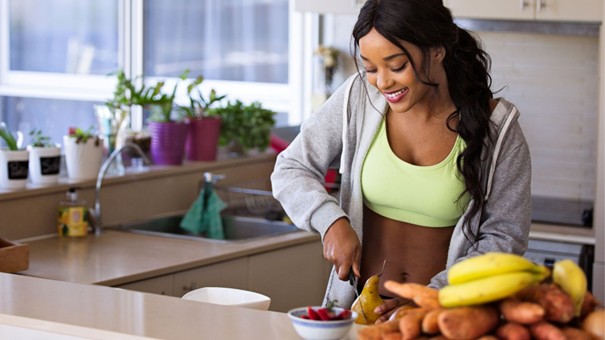
Eat well
A wholefood, nutrient-rich diet helps stabilise hormones and reduce inflammation.
Experts recommend:
- plenty of fruit, vegetables, legumes, wholegrains, and omega-3s,
- less fat, sugar, salt, caffeine, and alcohol.
These foods support serotonin production, balance blood sugar, and can ease both physical and emotional PMS symptoms.
Move Your Body — Even a Little Helps
Regular exercise, especially aerobic movement like walking, cycling, or dancing, helps regulate your hormones naturally.
It lowers stress hormones such as cortisol and boosts endorphins — your body’s natural mood lifters.
Sleep and Stress Management
Lack of sleep and chronic stress disrupt the delicate relationship between oestrogen and progesterone.
Prioritising rest, mindfulness and relaxation techniques helps your body restore its rhythm.
Maintain a Healthy Weight
According to Azadi et al. (2024), every one-point increase in BMI raised the likelihood of PMS by roughly 7%.
Keeping your weight stable supports hormonal balance and reduces inflammation.
Small Shifts, Big Results
You don’t need perfection — just consistency.
Start with gentle, achievable habits:
- Eat breakfast to keep your blood sugar steady.
- Swap processed foods for colourful, fresh meals.
- Move your body every day, even if it is only for 20 minutes.
- Drink enough water — dehydration worsens headaches and bloating.
And most importantly: be kind to yourself.
PMS isn’t weakness — it’s your body’s way of asking for care and balance.
A Natural Helping Hand: Resilovit® PrePeriod
If lifestyle changes alone aren’t enough, targeted micronutrients can make a difference.
Resilovit® PrePeriod combines chasteberry (Vitex agnus castus), magnesium, vitamin B6, and antioxidants — a synergy proven to regulate hormonal activity and ease PMS symptoms naturally.
For calmer days — and a more balanced you. 🌸
FAQ – Lifestyle & PMS
Does exercise really help with PMS?
Yes! Regular movement reduces stress, improves mood, and relieves cramps and tension.
Can certain foods make PMS worse?
Yes. Diets high in fat, sugar or processed foods can intensify symptoms. Focus on whole, anti-inflammatory foods instead.
Does weight really matter?
It can. Higher body fat increases oestrogen production, which may worsen PMS.
Should I avoid caffeine before my period?
Yes — caffeine raises cortisol, which can amplify anxiety and breast tenderness.
by Dr. Birgit Wogatzky | Nov 8, 2025 | PMS
When Your Body Takes Over – What’s Really Behind PMS ?
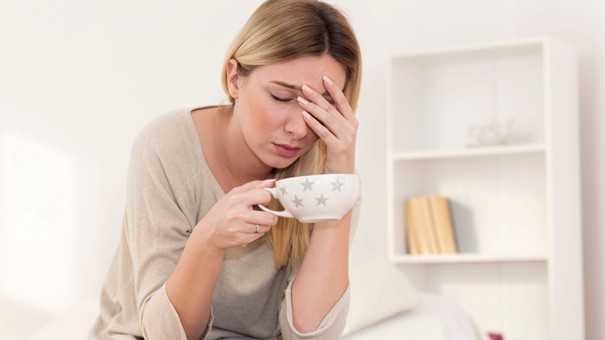
You wake up and just feel… different.
Everything seems to get on your nerves, your stomach feels bloated, you crave chocolate, and even the smallest thing makes you tear up.
Don’t worry – you’re not “too emotional”. Your body is simply sending you a message: you’re in your luteal phase and experiencing PMS (premenstrual syndrome).
What Is PMS, Exactly?
Premenstrual Syndrome (PMS) refers to a mix of physical, emotional and behavioural symptoms that appear a few days before your period – and usually ease once your period starts.
Up to three in four women experience PMS at some point in their lives. For some, it’s just a mild inconvenience. For others, it can make daily life feel completely overwhelming.
Common PMS symptoms include:
- Physical: headaches, cramps, breast tenderness, bloating, fluid retention, digestive changes
- Emotional: irritability, mood swings, sadness, anxiety, poor concentration
- Behavioural: cravings, sleep problems, fatigue, withdrawal
Why Does PMS Happen?
PMS is thought to result from hormonal fluctuations during the menstrual cycle and changes in brain chemistry – especially low levels of serotonin, the so-called “feel-good” hormone.
Lifestyle factors such as stress, diet and lack of sleep can make symptoms worse.
-
Hormones on a Rollercoaster
The rise and fall of oestrogen and progesterone in the second half of the cycle (the luteal phase) can trigger stronger PMS symptoms in sensitive women.
-
Serotonin and Brain Chemistry
Women with PMS often have lower serotonin levels, which affects mood, appetite, sleep and pain perception – leading to irritability, sadness, cravings and restlessness.
-
Lifestyle & Other Triggers
- Diet: Too much sugar, salt and saturated fat can worsen bloating and mood swings.
- Substances: Alcohol, caffeine and nicotine can intensify symptoms.
- Lack of movement: Sedentary habits and poor sleep increase fatigue and tension.
- Stress: High cortisol levels disrupt hormonal balance and amplify PMS.
- Nutrient gaps: Deficiencies in magnesium or calcium can play a role.
- Genetics: PMS often runs in families, suggesting a hereditary component.
Natural Ways to Manage PMS (No Hormones Needed)
- Nourish your body
- Choose complex carbs like oats or wholegrains to stabilise blood sugar.
- Eat plenty of fruit and veg for fibre and antioxidants.
- Include oily fish (salmon, mackerel) for omega-3s that reduce inflammation and cramps.
- Snack on nuts and pulses for steady energy and fewer cravings.
- Move and stretch
Exercise lowers stress hormones and boosts your mood. Even a brisk walk, yoga or light workout can make a big difference.
- Lower your stress levels
Relaxation techniques like meditation, journalling or mindful breathing can calm your nervous system and ease PMS tension.
- Prioritise good sleep
A consistent sleep routine and screen-free evenings can balance your hormones and reduce irritability.
- Try herbal support
Vitex agnus-castus (chasteberry) is one of the most researched herbal remedies for PMS – shown to help with mood swings and breast tenderness.
Extra Support for PMS: Resilovit® PrePeriod
If lifestyle changes alone don’t do the trick, targeted nutritional support can help.
Resilovit® PrePeriod combines chasteberry with plant extracts, antioxidants and key micronutrients – designed to support hormonal balance and ease PMS naturally.
Because you deserve to feel like yourself again – calm, centred, and in control.
FAQ: Your PMS Questions Answered
How long does PMS last?
Typically, PMS starts three to ten days before your period and eases once bleeding begins.
Why do I crave chocolate so much?
Low serotonin and fluctuating blood sugar trigger cravings for carbs and sweets that temporarily boost mood.
Can PMS be prevented?
Not completely – but a healthy lifestyle with balanced nutrition, regular movement and stress management can make a huge difference.
What natural supplements help with PMS?
Chasteberry, magnesium, B vitamins and antioxidants such as curcumin are supported by studies for PMS symptom relief.
Final Thoughts
PMS isn’t “all in your head” – it’s a genuine interplay between hormones, brain chemistry and lifestyle.
The good news? You can do something about it. With nourishing foods, movement, rest and micronutrient support, you can restore your balance naturally.
👉 With Resilovit® PrePeriod, you get targeted support designed to help you feel like yourself again – every cycle.
